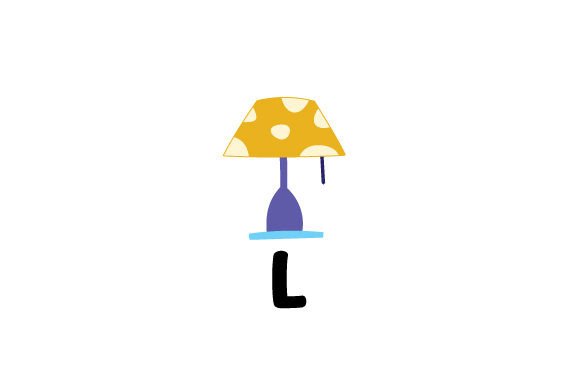
A Simple, Strong Letter L for Embroidery Projects
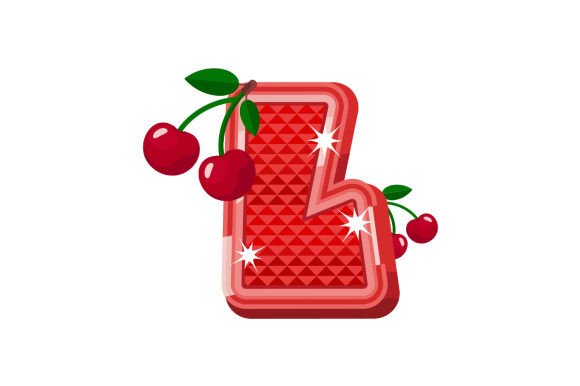
When a new embroidery file arrives, I look at it with two minds. The first is the designer's eye, assessing its shape, balance, and potential. The second is the practical maker's mind, thinking about the fabric it'll sit on, the thread running through it, and the real product it will become. Today, I'm looking at this Alphabet Letter L design, considering how it translates from a digital file to a stitched piece of art.
The Unassuming Power of a Single Letter
My first impression is one of solid, straightforward utility. This isn't a flamboyant, swirled script; it's a clean, confident letterform. The mood it creates is foundational. It feels like a building block—professional, readable, and dependable. Its visual personality is quiet strength, which makes it an incredibly versatile starting point for so many projects. Think of a monogrammed pillow for a living room, the initial on a chef's apron, or a personalized tote bag for a friend named Laura. It belongs naturally to projects where clarity and recognition are key.
Where This Letter L Finds Its Home
In real-life embroidery, this design’s true value shines. Let’s walk through a scenario. Imagine you’re preparing a custom order for a client—a set of high-quality kitchen towels as a wedding gift, each embroidered with the new couple’s initials. The letter L here would be a cornerstone. Stitched onto a crisp, linen towel with a robust satin stitch, it would look crisp and elegant. It conveys thoughtfulness without overwhelming the item’s function.
This applies across the board. For a small business creating branded caps, a clean initial on the front can be more distinctive than a full logo. For a crafter making a baby’s blanket, a single, softly stitched initial can be a precious keepsake without being too busy for delicate nursery decor. On a sweatshirt, it becomes a minimalist statement. On a tote bag, it’s a mark of personalization that elevates a simple canvas bag into a handmade product with character. In every case—apparel, home goods, gifts, merchandise—this design acts as a reliable, high-impact asset.
Stitching Considerations for a Clean Result
While the design itself is simple, its execution requires thoughtful setup to ensure that crisp look translates perfectly to the fabric. Here are the practical situations where you need to plan carefully.
On small hoop sizes or very small items—think a tiny patch or a child’s sock—the proportions of the letter need to be checked. A very dense fill stitch in a small area can become stiff. On textured or stretchy fabrics like some knits, using the proper stabilizer is non-negotiable to prevent distortion of that clean shape. For dark fabric backgrounds, your thread color contrast is paramount; a light thread with a slightly increased stitch density can help the letter pop without being lost.
The letter’s corners and any interior details are worth a close inspection in your software before stitching. A quick test on scrap fabric of the same material you’ll use for the final product is the best insurance. This lets you review stitch density, check for any potential puckering, and confirm your chosen hoop size gives you the stability you need. It’s a simple step that protects the quality of your finished product.
When This Design Should Be Used with Caution
This design thrives on flat, stable surfaces. On curved surfaces like caps, careful hooping and stabilization are even more critical to keep the shape true. If you’re considering it for very thin fabric, like a fine cotton shirt, you might want to opt for a lighter fill stitch setting or even a running stitch outline to keep the fabric from being weighed down. For items that will need frequent washing, like tea towels or aprons, ensuring your stitching is secure and using quality thread will maintain that professional look over time.
How a Well-Executed Letter Builds Your Craft
Beyond the stitch itself, using a design like this effectively impacts your work’s broader appeal. A crisp, well-proportioned initial embroidered onto a product speaks to stitching clarity and attention to detail. This directly boosts the perceived product value. For a customer, whether they’re buying a personalized gift from your Etsy shop or receiving a custom order, that precision builds customer trust. It tells them the item was made with care.
It enhances handmade presentation by showing that handmade doesn’t mean irregular; it can mean precise and beautiful. For a creative entrepreneur, using such a design consistently across products—like a series of monogrammed pillows—can strengthen brand consistency. It makes items instantly giftable because they are personal yet polished. In a craft fair setting or a boutique, items featuring this kind of clean embroidery engage buyers because they are easy to understand and imagine owning or giving.
Practical Notes from the Worktable
Before you commit this Alphabet Letter L to a final project, here are my quick, from-the-hoop notes:
- Always test first. Run it on a scrap of your target fabric.
- Check thread color contrast against both light and dark backgrounds. A quick black and white mockup can help visualize this.
- Inspect the design file itself. The provided formats like SVG and DXF offer flexibility, but confirm your machine’s compatibility.
- Use the appropriate stabilizer for your fabric type. This is the unsung hero of clean embroidery.
- If you are creating digital product previews or printable mockups for sale, this design’s simple form works beautifully as a transparent PNG overlay.
- Most importantly, if you intend to sell the finished embroidered items or use the design in commercial embroidery projects, confirm the licensing terms for this specific file. This ensures your craft business operates on a solid foundation.
This Alphabet Letter L, from the Crafts category, is more than just a glyph. It’s a tool. In the hands of a thoughtful maker, it becomes the centerpiece of a personalized gift, the branding on a shop product, or the detail that turns a simple object into a keepsake. Its strength is in its simplicity, and its success is in your careful, skilled execution. Approach it with a plan, stitch it with care, and it will serve your projects with quiet, dependable elegance.